


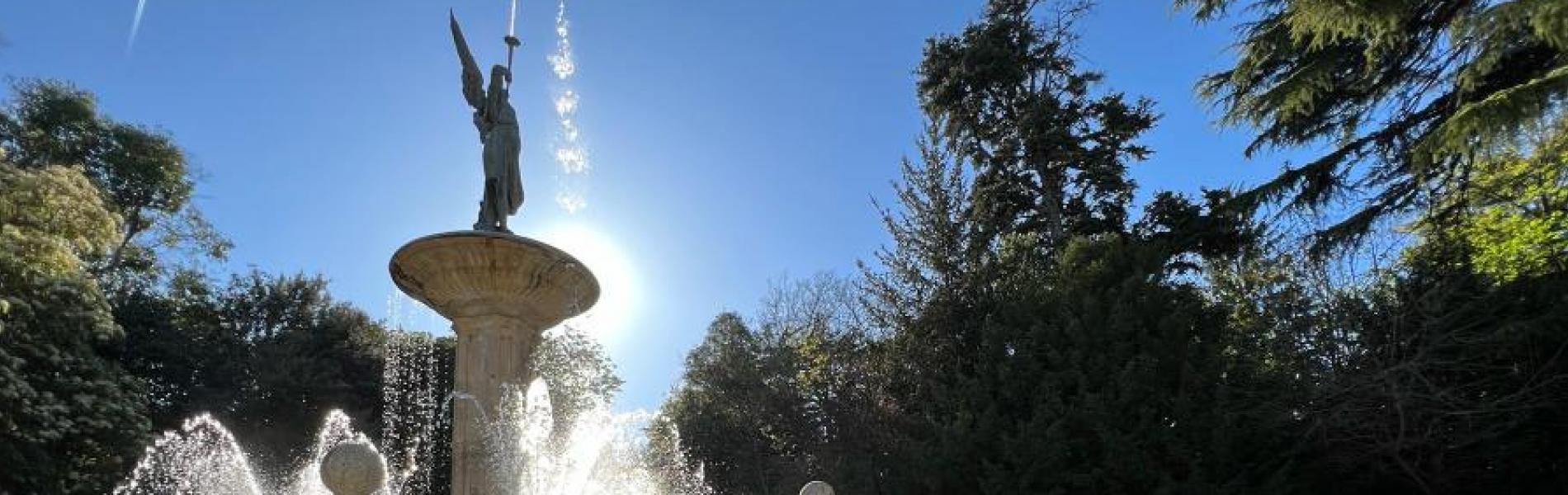
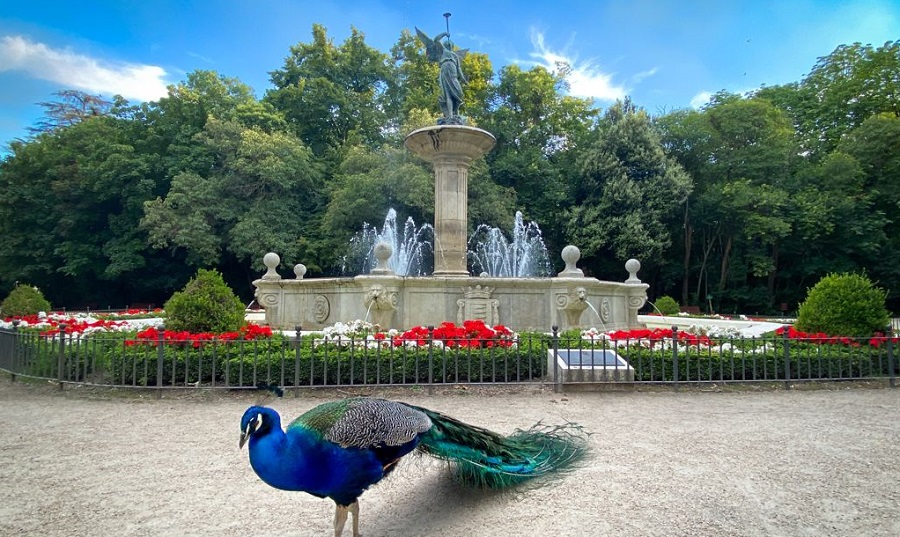
This project brings together nature and advanced technology to gain a deeper understanding of Campo Grande, Valladolid’s historic green heart, improve the health of its soil and trees, and preserve it for future generations.
The Valladolid City Council, Horse Powertrain, and IDForest have joined forces in this public-private environmental innovation project, which aims to make the city’s most iconic park a pioneer in cutting-edge forest management. The initiative also seeks to create a model that can be applied to other green spaces throughout our mission city.

Body
What are we aiming to achieve?
- Improve the park’s health through soil biotechnology.
- Use water and resources more efficiently through real-time data.
- Increase biodiversity and resilience to climate change.
- Develop a model that can be replicated in other urban green spaces.
- Advance Valladolid’s climate neutrality strategy.
Body
A Strategic Partnership for Sustainability
The project is being developed through a public-private collaboration:
- Horse Powertrain Spain: sponsoring organization supporting the initiative as part of its Corporate Social Responsibility strategy.
- IDForest: technical lead responsible for the project’s design and methodological implementation.
- Valladolid City Council: coordinates the project and its monitoring committee, while providing the real-world application environment through its Valladolid Demonstrator City initiative.
This partnership is focused on applying innovation in real-world environments with a direct impact on nature and citizens.
Body
Valladolid Demonstrator City
The initiative contributes to the Valladolid Climate-Neutral City Mission, which focuses on accelerating the reduction of polluting emissions by 2030. It is part of the Valladolid Demonstrator City programme, which offers the city as an urban sandbox: a real-world environment for testing and validating innovative projects.
What does this pioneering collaboration model, unique in Spain, enable?
- Testing innovative solutions in a real-world environment.
- Enhancing public services through technology.
- Driving the energy, digital, and green transitions.
Body
What Will We Do?
The project combines biotechnology and data-driven technologies to implement actions such as:
Digital Mapping (GIS)
Every flowerbed, pathway, and green area within Campo Grande will be represented on a smart map featuring detailed indicators on health, growth, and tailored treatments for each tree and shrub.
Soil Analysis
To better understand the microorganisms that help plants absorb water and nutrients and improve their resilience, key species of fungi and bacteria present in the soil will be identified.
Soil Regeneration
To help control pests and diseases, specially designed communities of microorganisms, including beneficial bacteria and fungi (microbial consortia), will be developed to strengthen the ecosystem’s natural health.
Real-Time Monitoring
New environmental sensors will continuously measure critical parameters such as soil moisture and temperature.
Digital Twin
An exact virtual replica of the park will enable the simulation of management scenarios, optimization of irrigation practices, real-time assessment of conditions, and prediction of risks before taking action in the physical environment.
Open Science and Transparency
An online visualization platform and the Urban Biodiversity Observatory will allow public authorities, the scientific community, and citizens to access monitoring indicators and explore the park virtually.
